
Evergreen Oral Surgery
3 Tips to Keep Your Gums Healthy and Happy

Keeping your gums healthy is vital to ensuring that your mouth stays clean and your teeth stay intact and in pristine condition. Incorporating a few simple steps into your daily oral hygiene routine will keep your teeth and gums healthy, happy and your smile shining bright for years to come.
Floss Like a Boss
Flossing is one of the easiest and most effective steps you can take to fight against gum disease and keep your gums healthy. Flossing once to twice a day helps to clean the hard to reach areas in-between your teeth that your toothbrush cannot reach.
Read the rest of this entry »
3 Benefits of Dental Implants

Missing a tooth? Meet your new best friend—dental implants. Before choosing to opt for a dental implant, it’s important that you understand the in’s and out’s of these replacement teeth and how they will benefit your smile. When replacing a tooth or a gap with a dental implant, you are not only giving your smile the perfect finishing touch, but also allowing yourself the normalcy of a full set of teeth. Below are three reasons as to why dental implants are the best tooth-replacement option. Read the rest of this entry »
5 mouth healthy snacks that are delicious too!

Not all foods are created equal. Some can be good for you and some can cause detrimental damage to your teeth (EEK)! Below are a few snack ideas that are not only tasty and easy to whip up, but healthy for your mouth too.
1. Apple Cinnamon oatmeal:
Due to the high fiber and crunchy consistency, apples naturally clean your teeth. They can also help fight plaque buildup and remove surface stains from teeth. By removing traces of bad plaque and residue from the back of the tongue, apples also fight bad breath.
Cinnamon contains a natural plant oil, known as cinnamic aldehyde, that has shown abilities to destroy bacteria in your mouth. Coupled with the apples, cinnamon takes fighting bad oral bacteria to the next level.
Now for the oatmeal. Whole grains have been linked to a higher quality of periodontal health. This is why we recommend loading up on the oats! Whole-grain foods, such as oats, barley, bran, and brown rice, may indirectly improve oral health by improving the body’s ability to process blood sugar.
Wisdom Teeth Removal Tips

Wisdom Teeth are the back molars that come in last, usually between the ages of 18-25. These molars are typically removed due to a lack of space that can cause shifting of the surrounding teeth. If you are experiencing pain and discomfort, you may need to have your wisdom teeth removed. Below are a few things to keep in mind following a successful wisdom teeth removal surgery.
What to Expect:
Wisdom teeth removal can be uncomfortable to some degree; however, the amount of pain varies from person to person and how many teeth are removed. It’s important to note that the anesthesia wears off approximately six hours after the procedure, which is when you may need to use the pain medication your doctor has prescribed.
Read the rest of this entry »
3 Benefits of Dental Implants
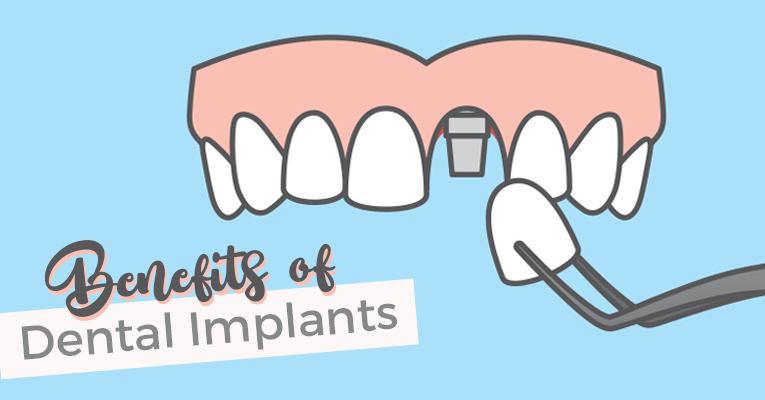
Missing teeth? You may be trying to decide what replacement procedure is best for you; dental implants, dentures, or maybe even another option. When it comes to choosing, we always recommend dental implants. Dental Implants are a permanent solution to a lost tooth (or teeth) and have many benefits over some of your other options. To help make your decision a little bit easier, we’ve created a list of the top three benefits of dental implants!
1. Dental Implants Act Like Natural Teeth!
One of the most well-known benefits of dental implants is that they look and act just like your natural teeth. When properly placed, dental implants are nearly impossible to detect. Unlike dentures, which are removable and can cause discomfort to the wearer, dental implants are surgically placed into the jaw and provide no discomfort.
When dental implants are implanted into your jawbone, they provide the utmost of stability. This means that you can continue to eat your favorite foods, speak normally, and enjoy your improved self-esteem!
Read the rest of this entry »
Everything you need to know about Dental Bone Grafting
What exactly is a bone graft?:
Bone grafting is a surgical procedure done when you need to repair bone fractures or replace bone loss. When a tooth is missing or retracted from the alveolar bones that support your roots, gums, and teeth, it eventually evaporates, causing facial features to shift and sag over time. This then creates potential problems such as pain in your mouth, not being able to speak properly, or chew food adequately. Fortunately, with the help of bone grafts, the bone that has been lost can be built again, which will not only heighten your appearance by providing strength back into your jaw bone, but also allows us to place a dental implant (artificial tooth) on top of it! In simple terms, the goal of bone grafting is to provide a safe, long-term solution to tooth loss!
Holiday food guide for after your wisdom teeth surgery

Having your wisdom teeth removed during the holidays might be upsetting— especially when thinking about all the food you’re going to miss out on. Luckily for you, there’s still hope! Fortunately, there are plenty of options that are not only delicious, but post-removal friendly!
Below is a handy post-wisdom teeth removal food guide to help you through the holiday season!
Blended soups: With the colder weather, hearty soups can not only be filling, but also easy to eat post wisdom teeth removal. Blended soups made of pumpkin or tomato will give you that festive feeling you’re looking for, while also fueling your body with vitamins like A, C and E! This will give you the nutrition your body needs, that solid foods can normally supply. Just be sure that the soups are easy to eat and don’t contain bits that could irritate or infect the area of surgery!
Read the rest of this entry »
What Exactly is a Dental Implant?
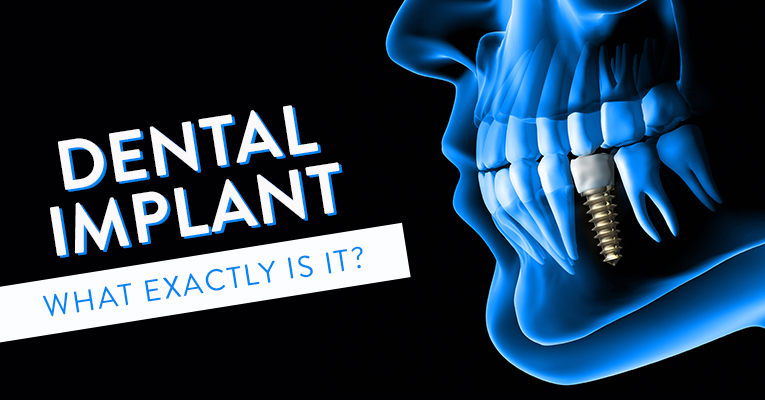
Missing teeth? No problem. A dental implant is a way to replace an empty void that may be leaving you self-conscious about your smile. Whether the vacant spot is due to a sports injury, facial trauma, periodontal complication, or bad oral hygiene, it can fill the vacancy permanently and give you a boost of confidence. So, what exactly is a dental implant? Here are a few things you need to know:
• Dental implants act as a replacement for the roots of a tooth. Metaphorically speaking, they can be the anchor for crowns, bridges, and dentures and are screwed into the jaw bone to provide support for replacement teeth. They are surgically inserted into the jawbone beneath the gum line.
Read the rest of this entry »
Do You Need Your Wisdom Teeth Removed?

Getting your wisdom teeth removed seems to be a rite of passage these days. Everyone knows a friend or a family member who has gotten them extracted or even has had them pulled themselves. Aside from enjoying the perks of getting these last set of molars extracted such as getting to miss school or even work for a few days, or the endless and guiltless ice cream soiree, here are the occasional and sometimes painful telltale signs that you need your wisdom teeth removed:
• Gum pain: When your “third molars” or wisdom teeth begin to erupt, they push past the gums creating an uncomfortable and hot feeling. It will most likely be accompanied with pressure or a dull throbbing sensation in the gums nearest the jaw bone. Infection can also lead to puffy and swollen gums and some unwanted drainage.
Read the rest of this entry »
What to Expect When Expecting (…A Bone Graft)

Need a dental implant but don’t have sufficient jaw bone? Dental implants are the most effective option when it comes to replacing a tooth. However, if in order to successfully get an implant, you need to have an adequate amount of jawbone. If you don’t, then you will need a bone graft before getting the actual implant. Bone grafting is when an oral surgeon will either harvest bone from another part of your body, a cadaver, a deceased animal, or in most cases, use a special bone grafting material to anchor it onto your jaw bone, thus increasing its strength and density. Although the procedure may sound pretty scary, we can promise you it’s nothing of the sort. Below are some things to expect when getting a bone graft!